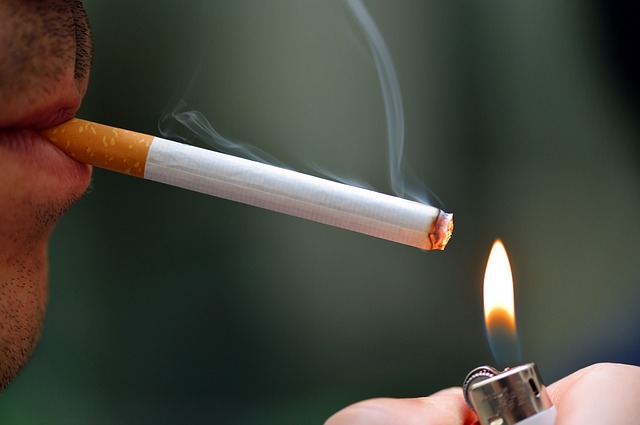
To help you stop smoking take the following steps into account:
- Exercise more often,
- Use the quitting treatments available,
- Don’t diet at the same time as quitting, stop first and worry about the dieting later.
Yes, we all worry about piling on the weight at certain times, but your general health is more important than having that cigarette. Smoking, it goes without saying, is very harmful to your health and the health of the loved ones around you. Many ex-smokers find quitting has been the best thing for their health and they can now enjoy taking part in activities they have never been able to do before. Yes, it is a hard thing to do, and many people may need more than one attempt to achieve the final result you are seeking, but do not give up the fight.
If you need more convincing, here are some reasons to stop smoking:
- Improves fertility
Smoking for both females and males have been proven to make conceiving difficult. The lining of the womb is thickened by the chemicals found in a cigarette, and the sperm weakened and less able to fertilise making it less effective. It could also improve conception via IVF and enhance chances of giving birth to a healthy baby. - Quitting leads to a better sexual experience
Blood flow is improved all around the body when smoking has stopped, leading to higher sensitivity thus giving you a better erections and/ or orgasms. - Smoking ages you faster
To have younger looking skin, you must stop smoking. The skin stops getting its much required nutrients however the smoking and chemicals in it deprives the skin from these nutrients. Additionally, the skin is suffocated with small amounts of oxygen flow. - Gives you better and whiter teeth
You may have probably noticed that your teeth are constantly looking unclean no matter how often you brush them in a day. This is because tar decolours and stains teeth’s natural whiteness. Tar build up in hard to reach areas of your teeth have the worst impact of smoking were after a while tar becomes so widely visible in the mouth it looks like decay is taking over. Not to mention the continuous bad breath. - Stopping allows you to breathe better
Yes this is very obvious, that quitting allows you to breathe much better. But some people make excuses as they may not feel the effects of this right away. It is more apparent when running for the bus or climbing up a set of stairs. You’ll find simple activities like this take more effort out of you than necessary. You have a choice of having a healthy active life in your older years or to stick to smoking and wheeze when walking. - Non-smokers live longer than smokers
Smokers risk having long term diseases that lead to an early death, such as lung cancer, chronic bronchitis, or heart disease. It is reported that you could add 10 years to your life if you quit before you turn 30. - Improving your taste and smell
It is not a myth! Smoking is detrimental to your smell senses and taste buds. By smoking you damage these tiny sensitive follicles that distinguish your taste and smell steering you towards a dull and cloudy senseless life. - The less you smoke, the less you feel stressed
By stopping smoking you eliminate stress and anxiety between cigarettes. It has been scientifically proven that the stress levels rise during the ‘withdrawal’ period before the next cigarette. In addition, you do not receive the right amount of oxygen levels to your body to allow you to relax and calm down, therefore adding to the anxiety especially when your body is starved of nicotine. Two days after you give up the habit, your body is nicotine free. - Smoker homes put loved ones in danger too
Wouldn’t you want to keep your loved ones safe from harm’s way? And protect them from anything bad or horrible? So why would you smoke in the same house as them. Even if you do not see the smoke or if the smoke has disappeared, it is still full of carbon-monoxide and other harmful chemicals that are hidden away from the naked eye. - Stop smoking to have more energy
Do you wonder why you feel sluggish and weak by midday? Well, a body deprived of the right amount of oxygen will always be lethargic and exhausted. Within two weeks of quitting, your body’s energy levels return to normal, with an improved circulation allowing you to enjoy the activities once interrupted by lack of energy.
If you are really struggling to give up smoking then you can consult with your GP who may be able to help. There is also the NHS website where there is some helpful advice on how to quit. If you are prepared to go private then there is a medication called Champix that can be prescribed. The medication is quite expensive and is usually not prescribed on the NHS unless you have exhausted all other routes (including counselling). There is an online medical service that can prescribe this medication for you privately and you can contact them here.
If you would like to find out more about the benefits of giving up smoking, here is a helpful resource.